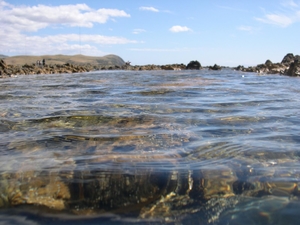
A seven-day island-hopping itinerary in the Galapagos is often framed as an alternative to a live-aboard cruise, but the comparison only goes so far. The dedicated land-based route uses three inhabited islands—San Cristóbal, Santa Cruz and Isabela—as bases, with deluxe waterfront or oceanfront boutique properties, day tours, snorkeling, kayaking, biking and culinary experiences. Its defining feature is not only where it goes, but how it paces the week: more flexible than a live-aboard schedule, yet structured enough to connect islands without turning every day into a transfer.
What the Seven-Day Route Looks Like From the Inside
The Galapagos archipelago includes 127 islands, only 19 particularly large, and only four inhabited: Santa Cruz, San Cristóbal, Isabela and Floreana. A seven-day land itinerary does not try to cover all of them. The published island-hopping route concentrates on three inhabited islands—San Cristóbal, Santa Cruz and Isabela—giving the week a practical geography. Travellers stay on land, unpack in boutique properties, and use day tours to explore. One published sample places guests at Hotel Golden Bay in San Cristóbal on day one; that is an itinerary example, not a promise that every custom departure will use the same hotel.
The pace begins with arrival. Because the first day involves reaching San Cristóbal and settling in, it is usually the least activity-heavy part of the week. From there, the itinerary rotates water-based excursions, island walks and land-based activities so the week does not feel like a checklist. The published description includes snorkeling, kayaking and biking across the islands, with culinary experiences built in. That mix matters: a day spent in or near the water is balanced by time on land, and a more active morning can be followed by a slower afternoon. The result is a week that feels deliberate rather than rushed.
The key distinction is the base. For travellers comparing this land-based rhythm with a small-ship week, Galapagos Tour Packages can help clarify how cruise days are organised and where an island-hopping week differs. A cruise moves the accommodation with the itinerary; a land-based week returns to a property on an inhabited island and explores from there. That does not make the land route less structured—transfers, day tours and activity windows still need to align—but it does change the texture of the day. San Cristóbal, Santa Cruz and Isabela each have their own character, and the week works best when it gives each one enough time to register.
How the Pace Compares With a Live-Aboard Cruise Week
A Galapagos cruise week is shaped by the vessel. The company’s small-ship cruises are offered in four-, five-, six- and eight-day lengths, with most live-aboard ships carrying fewer than 20 passengers. The Galapagos National Park allows no more than 16 guests per naturalist guide on each landing, and the company emphasises Level 3 naturalist guides. Those details matter to pacing because cruise days are built around landings, briefings, meals and the ship’s movement. Travellers who choose a live-aboard often want the rhythm of waking at a new anchorage and following a structured programme of guided excursions.
The seven-day island-hopping itinerary answers a different preference. Instead of living aboard, travellers stay at deluxe waterfront or oceanfront boutique properties on three inhabited islands. The published page describes a more flexible pace than a live-aboard schedule, with day tours and culinary experiences. In practice, that can mean less pressure to fit every activity around a fixed vessel timetable. It can also mean more variety in the texture of the day: a land tour, a culinary stop and a water activity can sit alongside one another without the same cabin-and-landing rhythm.
Neither format is inherently better paced; they suit different travel styles. A live-aboard week is efficient for reaching visitor sites and for travellers who like a clear daily structure. A land-based week is appealing for travellers who prefer a base, a boutique hotel and a slightly looser daily rhythm. The trade-off is that island hopping still requires logistics. Transfers between islands, day-tour departures and activity bookings all shape the week, so the itinerary should be read closely. Ask how many nights are spent on each island, how many activities are included, and whether the pace is designed for early starts or slower mornings.
Matching the Week’s Rhythm to Season, Energy and Travel Style
The Galapagos is a year-round destination, but the seasons change the feel of a seven-day itinerary. From December to May, the warm season brings calmer seas, warmer water for snorkeling and short tropical showers. From June to November, the cooler, dry season brings nutrient-rich water from the Humboldt Current, so marine life and seabird activity peak, though seas can be rougher. For travellers prone to seasickness, the company notes that a catamaran is a comfortable choice from August to December. On a land-based week, these patterns are useful for deciding how much water time to build into the plan and how much flexibility to leave around outdoor activities.
Energy levels matter just as much as season. The published island-hopping itinerary includes snorkeling, kayaking and biking, so it is not a passive week. But the flexible pace means the schedule can be discussed with a trip designer and matched to the traveller. The company describes trip designers and a Galapagos concierge helping to tailor itineraries, and packages can be customised. That is especially relevant for travellers who want a strong activity mix without turning every day into a full-day excursion. The point is not to do less, but to sequence activity and rest sensibly.
Budget and confirmation also belong in the pacing conversation, because different published packages can look similar on the surface. The dedicated Island Hopping Tour page publishes a starting figure of $6,582 per person as of November 2026, while the homepage describes a different seven-day land-based adventure with a published starting figure of $4,316 per person. Those are separate packages with different published figures, not a single reconciled land-tour rate. Travellers should confirm current rates, availability, included activities and hotel details for the specific dates. Named hotels in sample itineraries are examples, not a guarantee for a custom trip. Before confirming, ask which three islands are included, how many nights are spent on each, how many day tours are scheduled, which meals and activities are covered, and whether the named properties are confirmed or illustrative. Those details will reveal whether the week’s rhythm matches the trip you have in mind.

A Sofia-born astrophysicist residing in Buenos Aires, Valentina blogs under the motto “Science is salsa—mix it well.” Expect lucid breakdowns of quantum entanglement, reviews of indie RPGs, and tango etiquette guides. She juggles fire at weekend festivals (safely), proving gravity is optional for good storytelling.