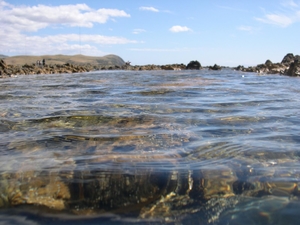
Greece is often sold as a single postcard — whitewashed walls, blue domes, a sunset over the caldera — but the country’s itineraries are far more varied than that image allows. A seven-day hop between Athens and one island is a very different proposition from a twelve-day ferry journey through the Cyclades, and a nine-day Ionian circuit built around Zakynthos, Kefalonia and Corfu asks something else again of the traveller. The real question is rarely whether Greece suits you. It is which shape of Greek trip suits you, and how much moving around you genuinely want to do.
That distinction matters because the itineraries published for Greece — from short Athens-and-Santorini escapes to longer sailing routes and combinations with Italy, France or Croatia — are all described as customizable, with destinations, accommodations, activities and pace open to adjustment. Understanding who each style tends to serve is the quickest way to narrow a very long list down to something that feels right.
Solo Travellers: Why Greece Rewards Independent Curiosity
Greece has an unusual combination of qualities for anyone travelling alone. The destination guidance describes the country as safe, easy to navigate and social, and notes that small-group tours are a popular way to experience it. That trio is harder to find than it sounds. Easy navigation means ferries, short flights and private transfers between airports, stations and hotels do the logistical work, so a solo traveller spends less energy problem-solving and more energy deciding where to eat dinner.
Island-hopping itineraries tend to suit solo travel particularly well, because each leg offers a fresh start. The twelve-day Greek Islands Hopping Tour begins in Athens and moves by ferry through Mykonos, Paros, Milos, Ios and Santorini — six cities, without ever demanding that you commit to a single base for a fortnight. Someone captivated by Milos can linger; someone craving quiet can ask for extra time on Paros. The range available at https://www.discoveryescapes.com/greece-tours illustrates how differently that flexibility is applied, from nine-day Ionian circuits to ten-day sailing routes pairing the Acropolis with Oia’s sunset and stops at Naxos and Milos.
Sailing deserves its own mention for solo travellers. A boat is a naturally sociable setting — shared decks, shared meals, shared lookouts for dolphins — and the small-group format behind these trips is what makes it work, described as more personal, relaxed and immersive rather than an anonymous crowd being moved from viewpoint to viewpoint. For solo travellers, the itinerary is less a schedule than a safety net: structure when company is welcome, freedom when it isn’t. Seven days is enough for a first taste — Athens paired with Mykonos or Santorini — while ten days adds a second island and a gentler rhythm.
Couples: Sunsets, Seaside Dinners and Unhurried Island Days
Greece has an obvious romantic shorthand — Santorini’s cliff villages, a table by the water, the light at the end of the day — and the itineraries lean into it without forcing it. The notes for couples and honeymooners point to Santorini sunsets, luxury hotels and seaside dinners as the defining pleasures, and the shorter routes are built around exactly those moments rather than around cramming in as many stops as possible.
The seven-day Athens, Santorini and Mykonos tour is the classic shape for two people with a week to spare: a couple of days of antiquity and city energy, then caldera views and beach time. The same itinerary also references Meteora, which appeals to couples who would rather trade one beach day for clifftop monasteries and a very different landscape. Ten days, meanwhile, allows Athens to Mykonos to Santorini without the trip feeling like a relay race — one of the most balanced options for a first visit together. Longer trips of fourteen days or more open up deeper island mixes, including Paros, Naxos and Crete, for couples who would rather unpack slowly and stay put.
Timing shapes the experience as much as the route. Spring, April to June, and autumn, September and October, are often preferred for warm weather, smaller crowds and comfortable sightseeing and island hopping. July and August are peak season — hot at roughly 30–35°C, busy and typically more expensive — and suit beach and nightlife priorities more than long days of walking. November to March is cooler and better suited to mainland cultural travel than island-focused trips. Late spring and early autumn are described as a balanced window for many packages, and for couples the difference between a crowded caldera and a quiet one is often just a few weeks on the calendar.
Friends, Small Groups and Everyone in Between
Between the solo traveller and the couple sits the most common real-world arrangement: two friends, three couples, a small group marking an occasion. The Greece itineraries explicitly serve solo travellers, couples and small groups, and the longer routes are where groups get the most value. The eleven-day Cyclades Islands Tour — Athens, Mykonos, Sifnos, Paros and Santorini — offers enough variety for people with different priorities, while the nine-day Ionian Islands route through Zakynthos, Kefalonia and Corfu introduces a greener, softer side of the country that rewards groups who have already seen the Cyclades.
Groups often struggle to agree on scope, which is where the combined itineraries come in. Greece can be paired with Italy, France, Croatia or Montenegro, among other combinations, for travellers who want a broader European arc rather than a single-country stay. It is worth knowing the character of these trips up front: they lean toward island hopping, coastal towns and historic sites rather than city-to-city rail, so anyone expecting a museum-and-metro pace should plan accordingly. Fourteen days allows deeper island combinations, and beyond that travellers can add Delphi, Meteora and further islands.
Coordinating several people’s calendars is usually the hardest part of group travel, and the booking terms help here: a deposit to secure the trip, with the balance not due until 60 days before travel, free date changes up to 60 days in advance, and free cancellation at the same point. Hotels on the itineraries are examples, listed with “or similar,” so expectations should stay flexible rather than fixed on a specific property.
Finally, practicalities. Greece sits in the Schengen Area, and visa-free stays of up to 90 days are described for citizens of many countries, including the EU, UK, USA, Canada, Australia and New Zealand; other nationalities may need a Schengen visa. A passport validity of at least six months is recommended. Every traveller should confirm the current official requirements before booking, whatever their party size.

A Sofia-born astrophysicist residing in Buenos Aires, Valentina blogs under the motto “Science is salsa—mix it well.” Expect lucid breakdowns of quantum entanglement, reviews of indie RPGs, and tango etiquette guides. She juggles fire at weekend festivals (safely), proving gravity is optional for good storytelling.